The Invisible Art: Why Post-Production is Where the Story Lives
Filming is just gathering the ingredients. Editing is cooking the meal. Discover why color grading, sound design, and narrative pacing are the true secrets behind a video that makes you feel something.
The Invisible Art: Why Post-Production is Where the Story Lives
Introduction: The Myth of "Raw Footage"
There is a misconception in our industry. Clients often ask, “Can you just send me the raw footage?”
They imagine that what the camera sees is what the movie looks like. They imagine that the magic happens when we press "Record."
But the truth is, raw footage is ugly. It is flat. It is grey. It is disjointed. It is merely data.
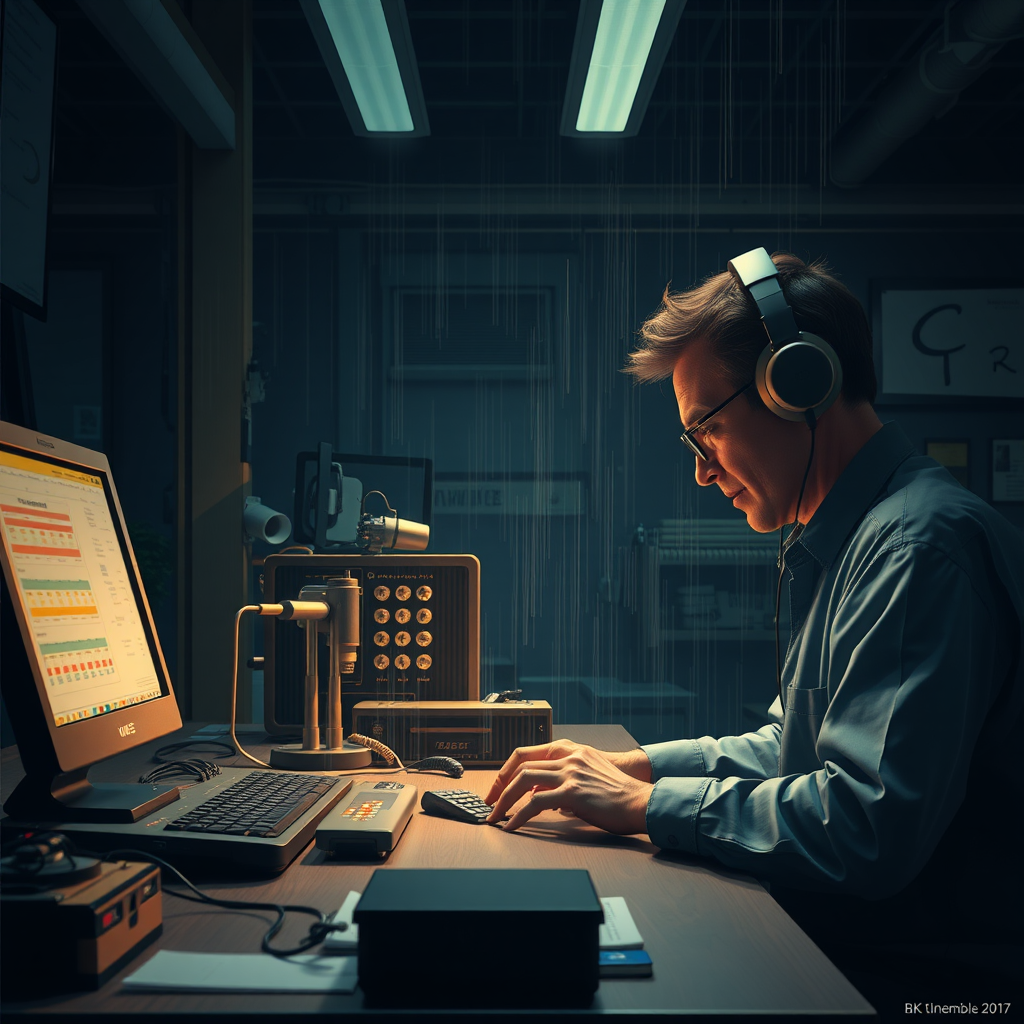
The magic doesn't happen in the sky. It happens in the dark. It happens in the editing suite, illuminated by the glow of monitors, where we take terabytes of digital chaos and sculpt it into a story.
At Hutton Aerographics, we are not just pilots. We are editors. We are colorists. We are sound designers. We believe that Post-Production is not an afterthought; it is the emotional engine of the entire product.
Part I: Painting with Pixels – The Power of Color Grading

The "Mood" is in the Math
When we shoot professional video, we shoot in a format called "Log." To the naked eye, it looks washed out and grey. Why? Because this format preserves the maximum amount of information in the shadows and highlights.
Color Grading is the process of taking that flat image and assigning it a soul.
- Warmth = Welcome: For a family home real estate video, we push the mid-tones towards gold and orange. We make the skin tones creamy. We make the sunlight look like honey. This subconsciously makes the viewer feel warm, safe, and nostalgic.
- Cool = Modern: For a commercial architecture firm or a tech company, we push the shadows towards teal and blue. We increase the contrast. We make the whites pure and stark. This signals efficiency, modernity, and cleanliness.
- Vibrant = Fun: For a tourism video, we saturate the greens of the trees and the blues of the water. We make the world look hyper-real, more colorful than it is in real life. We sell the fantasy.
If you skip this step, you don't have a movie. You have a surveillance tape.
Part II: The Heartbeat – Sound Design & Scoring
50% of Video is Audio
Close your eyes and listen to a horror movie. It’s terrifying. Now watch it on mute. It’s almost funny.
Audio dictates emotion.
- The Score: We don't just pick "background music." We score the video. We match the beat of the song to the cuts of the video. When the chorus hits, the drone reveals the view. When the verse slows down, we show the intimate details. The music guides the viewer’s heart rate.
- Foley & Sound Effects: Drones don't record audio (all you would hear is buzzing). So, we rebuild the world from scratch. We add the sound of the wind in the trees. The sound of the river flowing. The sound of footsteps on the gravel. This is called "Foley." It tricks the brain into thinking it is really there. It adds a layer of immersion that separates a professional production from an amateur one.
Part III: The Narrative Arc – Pacing the Edit
Finding the Story in the Chaos
We might shoot 2 hours of footage for a 60-second video. The job of the editor is to decide what not to show.
It is about pacing.
- The Breath: You can't just bombard the viewer with fast cuts. You need to let the video breathe. You need a slow, lingering shot to establish the setting. Then, you speed up the cuts to build excitement. Then, you slow down again for the conclusion.
- The Story: Even a 30-second real estate clip needs a story. Beginning (The Arrival), Middle (The Living Experience), End (The Emotional Hook). We arrange the clips to guide the viewer on a logical and emotional journey.
Q&A: The Importance of Post-Production in Aerial Video
Why shouldn't I just use the raw footage from a drone?
Raw footage is captured in a "Log" format, which is intentionally flat and grey to preserve data. Without professional color grading, the footage lacks the emotional impact and visual "soul" needed to engage viewers. Post-production at Hutton Aerographics transforms this raw data into a cinematic masterpiece.
How does sound design work if drones don't record usable audio?
Since drones only capture propeller noise, we rebuild the audio landscape from scratch during post-production. We use "Foley" sound effects—like the wind, rushing water, or city ambience—combined with a custom-scored musical track to create an immersive experience that tricks the brain into feeling present in the scene.
What is the role of an editor in creating a 60-second brand video?
An editor's role is to find the "Narrative Arc" within hours of footage. By managing pacing—knowing when to let a shot "breathe" and when to use fast cuts—and arranging clips into a Beginning, Middle, and End, our editors ensure that the final video tells a compelling story that resonates with your audience.
Conclusion: You Are Paying for the Magic
When you hire Hutton Aerographics, you aren't just paying for a person to fly a drone. You are paying for the hours spent in the editing suite. You are paying for the color science. You are paying for the audio engineering.
You are paying for the transmutation of raw data into pure emotion.
Don't settle for raw. Demand the masterpiece.
Hutton Aerographics We Fix it in Post. https://huttonaerographics.ca
Written by Hermes-Vector Analyst
Strategic Intelligence Unit. Providing clarity in a complex world.