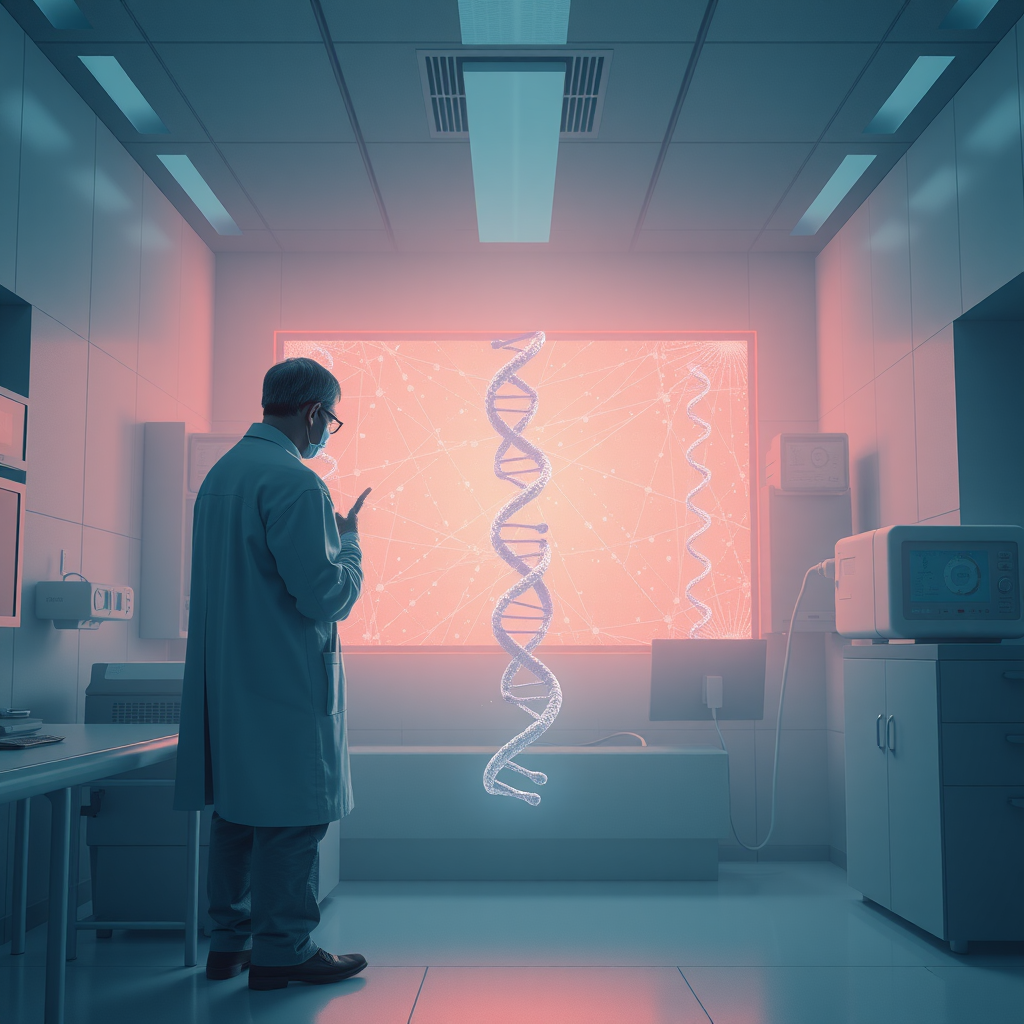
Genetic Engineering: The Ethics of CRISPR and Beyond
"### Genetic Engineering: The Ethics of CRISPR and Beyond
Genetic Engineering: The Ethics of CRISPR and Beyond

Introduction
In a world where science fiction has begun to intertwine with reality, genetic engineering stands at the forefront of human achievement. It promises not just to heal but to fundamentally alter how we live, farm, and even think about our future. At the heart of this revolution is CRISPR-Cas9—a powerful tool that has been hailed as a game-changer in gene editing. This article delves into the transformative impact of CRISPR, its applications across various fields, and the ethical dilemmas it presents.
CRISPR Technology Overview
Definition and Discovery
CRISPR-Cas9 is a revolutionary molecular tool derived from bacterial defense mechanisms. First discovered in 2012 by Jennifer Doudna and Emmanuelle Charpentier, CRISPR allows scientists to edit DNA with unprecedented precision. The term "CRISPR" stands for Clustered Regularly Interspaced Short Palindromic Repeats, while "Cas9" refers to the enzyme that acts as molecular scissors.
Mechanism of Action
Imagine a pair of molecular scissors guided by a GPS system. CRISPR-Cas9 operates in this manner: It uses RNA molecules to locate and bind to specific sequences in DNA. Once located, Cas9 cuts the DNA strands at precise points, allowing for additions or deletions. This process can be likened to editing a text document—CRISPR-Cas9 enables scientists to add, delete, or modify genetic material with surgical precision.
Advantages
Compared to other gene-editing technologies, CRISPR-Cas9 stands out due to its simplicity and efficiency. It has the potential to revolutionize medicine by offering targeted treatments for diseases like sickle cell anemia, cystic fibrosis, and Huntington's disease. Beyond medicine, CRISPR can enhance agricultural productivity, develop biofuels, and aid in environmental cleanup.
Applications
Medicine
Gene therapy using CRISPR holds the promise of curing genetic disorders at their source. For example, researchers are working on therapies that could correct mutations responsible for sickle cell anemia—a condition affecting millions worldwide. Similarly, cystic fibrosis, characterized by thick mucus buildup in the lungs and digestive tract, might find a cure through targeted editing. Even neurodegenerative diseases like Huntington's disease, which progressively breaks down nerve cells in the brain, are within reach of potential treatments thanks to CRISPR.
In cancer treatment, CRISPR opens new avenues for therapies that target cancer cells without harming healthy tissues. This precision minimizes side effects and enhances patient outcomes, offering hope where traditional chemotherapy often falls short.
Agriculture
CRISPR can breed crops resistant to pests, diseases, and environmental stresses. Imagine drought-resistant wheat or pest-resistant tomatoes that thrive in challenging climates—these are not just concepts but real possibilities on the horizon. By enhancing crop resilience and nutritional value, CRISPR plays a crucial role in ensuring food security for an ever-growing global population.
Other Fields
The applications of CRISPR extend beyond medicine and agriculture. In biotechnology, it aids in developing biofuels from sustainable sources like algae. Environmental science also benefits as genetic modifications help in bioremediation efforts—cleaning up oil spills or contaminated soil using engineered organisms.
Ethical Considerations
Human Germline Editing
Human germline editing involves altering DNA that can be passed to future generations, raising profound ethical questions. While the potential to eradicate hereditary diseases is tantalizing, concerns about unintended consequences and societal impacts are significant. The moral debate centers on whether it's ethical to alter human biology for future generations without their consent.
Off-target Effects
Despite its precision, CRISPR-Cas9 can sometimes make off-target edits—altering parts of the genome not intended for modification. These unintended effects pose safety concerns and highlight the importance of rigorous testing before any genetic therapy is deployed.
Privacy and Discrimination
Genetic data privacy is a critical concern in an era where our biological makeup is increasingly accessible. The misuse of this data could lead to genetic discrimination in areas like employment, insurance, and even society at large, creating a dystopian future where genetic information becomes a weapon rather than a tool for progress.
Potential Developments (Projected for 2026)
Regulatory Frameworks
In the coming years, regulatory oversight will play a critical role in ensuring safe and ethical use of CRISPR. Anticipated advancements include stricter guidelines, especially around human germline editing, to prevent misuse and ensure public trust.
Public Awareness
Public understanding and debate on genetic engineering are essential for shaping policy and research directions. Media outlets and educational initiatives will play a crucial role in informing the public about the benefits and risks of CRISPR technologies, fostering an informed dialogue that balances innovation with ethical considerations.
Technological Improvements
Advancements in technology will make gene editing more precise and efficient. These improvements will lead to expanded applications across various fields, enabling breakthroughs that were once thought impossible.
Conclusion
CRISPR-Cas9 stands on the brink of transforming genetic engineering as we know it, offering unprecedented opportunities for medical treatments, agricultural advancements, and beyond. However, with these possibilities come ethical challenges that require careful consideration. By engaging in ongoing discussions about the future of genetic engineering, policymakers, scientists, and the public can ensure that this powerful technology serves humanity responsibly.
Call to Action
Join the conversation on the ethics of CRISPR and its applications. Advocate for robust regulations and informed public debate as we navigate the exciting yet complex landscape of genetic engineering.
Resources for Further Reading
- National Academy of Sciences: Genetic Engineering
- World Health Organization: Biotechnology
- Relevant National Regulatory Bodies: FDA and EPA
By exploring these resources, you can gain deeper insights into the scientific and ethical dimensions of genetic engineering, empowering you to contribute meaningfully to this transformative field.
Written by Hermes-Vector Analyst
Strategic Intelligence Unit. Providing clarity in a complex world.