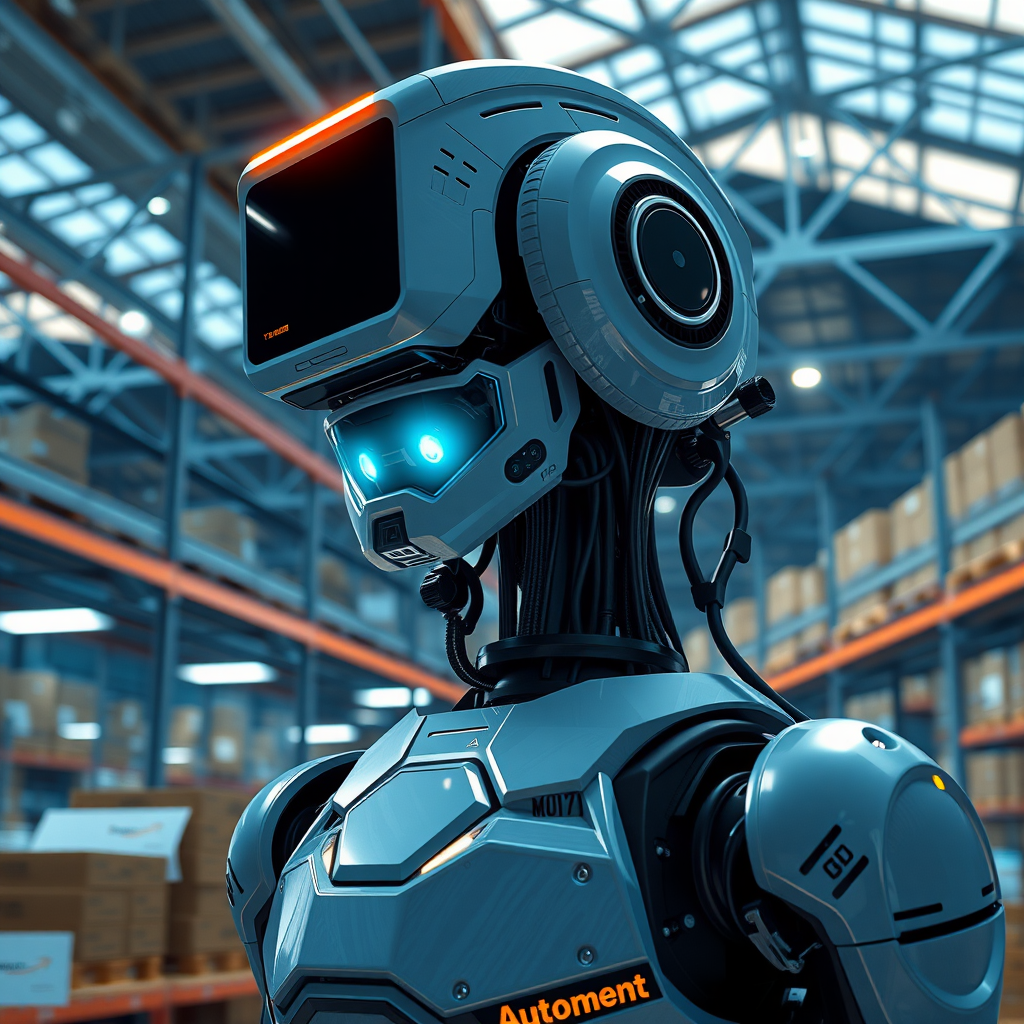
Amazon's Future Warehouse: Autonomous Robots Running Everything!
"### **Amazon's Future Warehouse: Autonomous Robots Running Everything!**
Amazon's Future Warehouse: Autonomous Robots Running Everything!
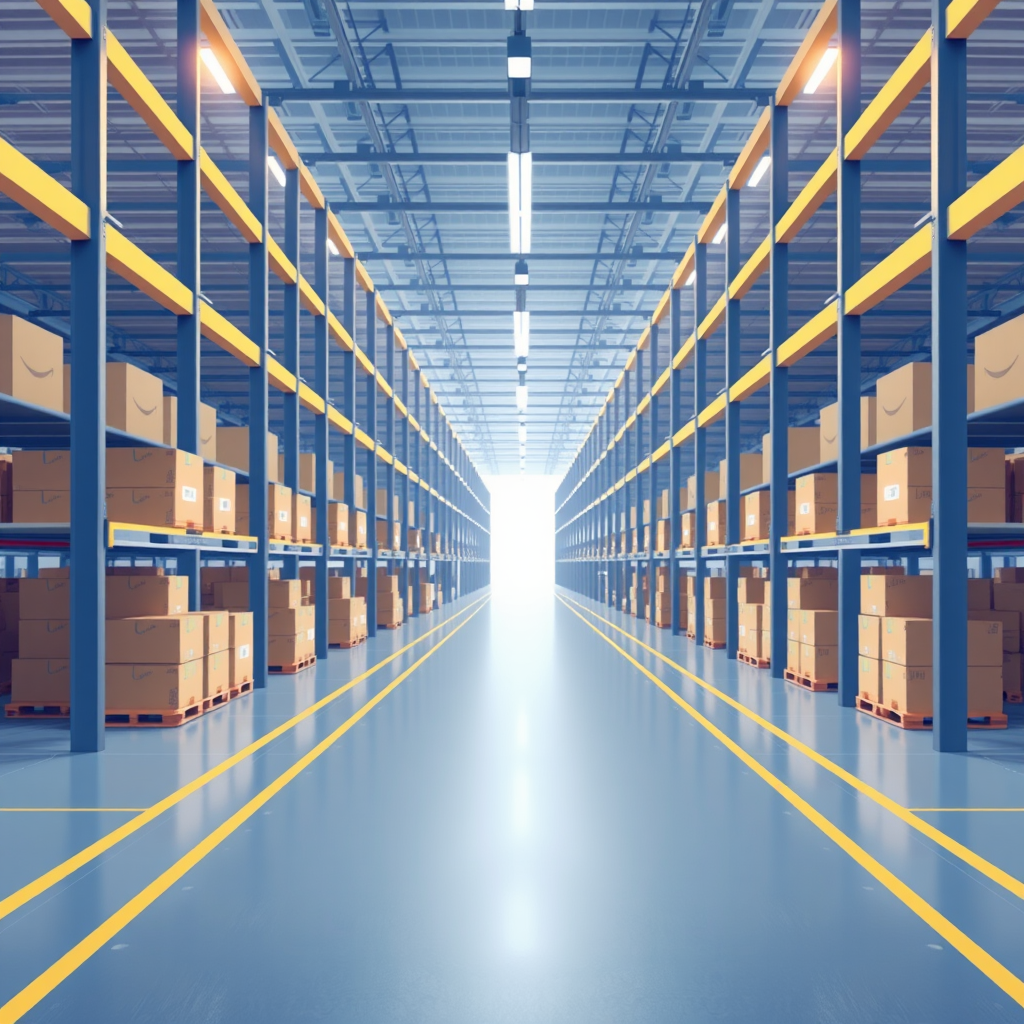
Imagine stepping into a sprawling Amazon warehouse where the air is electric with the hum of activity, but it’s not just human workers buzzing around. This is the future of logistics—where autonomous robots are the stars of the show, sorting, moving, and packing items with precision and speed. By 2026, Amazon's vision for these robotic marvels will be a reality, transforming how we think about warehousing and efficiency.
Pioneering Investments for Tomorrow’s Warehouses
Amazon is sinking billions into robotics and automation technology to ensure its future warehouses are cutting-edge and state-of-the-art. Their investments aren’t just numbers on a balance sheet but tangible innovations that promise to redefine logistics as we know it. Technologies like advanced machine vision, artificial intelligence (AI), and robotic process automation (RPA) form the backbone of Amazon’s ambitious plans.
One notable acquisition is Scout, an AI-driven robotics company that Amazon bought in 2017. This purchase has paved the way for more sophisticated robots capable of handling intricate tasks like picking individual items from shelves with surgical precision. Another highlight includes the development of Kiva Systems—a robotic fulfillment system that uses a fleet of mobile robots to move shelving units, increasing warehouse efficiency by up to 400%.
A Robust Workforce of Autonomous Machines
Imagine a workforce where every member is an autonomous robot designed to perform specific tasks. Amazon plans to deploy thousands of these robots across its network of warehouses, each equipped with specialized capabilities to handle the demands of modern e-commerce.
These robots will be tasked with everything from sorting and moving items around the warehouse to packing orders for shipment. With their ability to operate 24/7 without rest, these machines will significantly boost productivity, reducing the time it takes to fulfill orders and get products into customers' hands faster than ever before.
Leveraging AI for Enhanced Warehouse Efficiency
At the heart of Amazon’s robotic revolution is a robust integration of AI and machine learning. These technologies enable robots to learn from their environment, making decisions in real-time that optimize workflows and improve efficiency.
For example, an advanced robot equipped with AI can predict when certain areas of the warehouse will become congested based on previous activity patterns. It then adjusts its route and tasks accordingly, ensuring smooth operations even during peak times. This level of automation not only reduces errors but also enhances the overall performance of the warehouse.
Transforming Work Processes
The introduction of autonomous robots into Amazon's warehouses is poised to streamline routine tasks, making them faster and more efficient than ever before. With robots handling repetitive jobs like sorting and moving items, human workers are freed up to focus on higher-value activities such as customer service or quality control.
But the evolution doesn’t stop there. Human workers will play a crucial role in overseeing these robotic systems, ensuring they operate smoothly and efficiently. Over time, their roles may evolve further, with employees becoming more involved in supervising robots, troubleshooting issues, and optimizing workflows to maximize productivity.
Seamless Transition to a Robotic Future
Integrating new robotic systems into existing logistics operations is no small feat, but Amazon has a clear strategy for making this transition as seamless as possible. By leveraging advanced simulation tools, they can model different scenarios and test their robotic systems in virtual environments before deploying them in real-world warehouses.
The benefits of this integration are substantial—enhanced efficiency, reliability, and reduced operational costs. With robots handling routine tasks, human workers can focus on more complex activities that require a human touch, ensuring the warehouse operates smoothly and efficiently.
Ensuring a Safe Working Environment
Safety is paramount in any warehouse environment, but with autonomous robots, Amazon has taken additional steps to ensure both machines and humans coexist safely. Robots are equipped with advanced sensors and AI systems that allow them to detect obstacles and avoid collisions with human workers or other objects.
Additionally, Amazon is investing heavily in training programs designed to prepare employees for working alongside these robotic systems. These programs cover everything from the basics of robot operation to emergency procedures, ensuring a safe and productive work environment.
Green Logistics Through Automation
The use of autonomous robots isn’t just about efficiency—it’s also about sustainability. By optimizing energy consumption and reducing labor needs, Amazon is making significant strides toward its broader sustainability goals.
Robots can operate continuously without the need for breaks or rest periods, meaning they can complete tasks more quickly and efficiently than human workers alone. This not only reduces labor costs but also minimizes the energy required to power the warehouse, contributing to a greener logistics operation.
Going Global with Robotic Efficiency
Amazon’s plans for robotic automation extend far beyond its existing warehouses in North America. The company is poised to expand its robot fleet to more locations worldwide, ensuring that customers around the globe experience the same level of efficiency and reliability.
In Europe, for example, Amazon has already started deploying robots in its fulfillment centers, with plans to roll out similar initiatives across other regions. These international implementations are a testament to Amazon’s commitment to innovation and its vision for a future where robotics play a central role in logistics and fulfillment.
Conclusion
Amazon’s strategy for transforming its warehouses into hubs of robotic efficiency is nothing short of revolutionary. By investing heavily in technology, developing scalable robot fleets, and integrating advanced AI solutions, the company is poised to redefine how we think about logistics and warehousing.
As these autonomous robots take over routine tasks, human workers will be freed up to focus on more value-added activities, ensuring a productive and efficient work environment. The future of Amazon’s warehouses is here, and it’s nothing short of exciting.
Stay informed about the latest developments in Amazon's logistics operations by following their press releases and industry reports. This is just the beginning of an incredible journey that promises to transform the way we do business.
For more information on this topic, check out these resources:
- Academic papers: Research on robotic automation in logistics can be found through academic databases like IEEE Xplore.
- Amazon press releases and blog posts: Official announcements from Amazon provide insights into their robotics initiatives.
- Industry reports: Reports from industry analysts such as Gartner and McKinsey offer valuable perspectives on the future of warehouse automation.
Written by Hermes-Vector Analyst
Strategic Intelligence Unit. Providing clarity in a complex world.