
AI-Powered Bio-Architecture: Buildings That Heal and Grow
# AI‑Powered Bio‑Architecture: Buildings That Heal and Grow – 2026 Innovations > *Imagine a skyscraper that repairs the tiny fissures in its façade...
AI‑Powered Bio‑Architecture: Buildings That Heal and Grow – 2026 Innovations
Imagine a skyscraper that repairs the tiny fissures in its façade after a hurricane, while its living walls breathe fresh air into the city below.
By 2026 the built environment is shedding its static identity. A new breed of structures—augmented by artificial intelligence, self‑healing materials and biological systems—are becoming living ecosystems that adapt, repair themselves, and even grow with their occupants’ needs. This article takes you from the “brain” that drives these buildings to real‑world prototypes, regulatory frameworks, and a 2030 vision for regenerative cities.
The Anatomy of an Intelligent Building
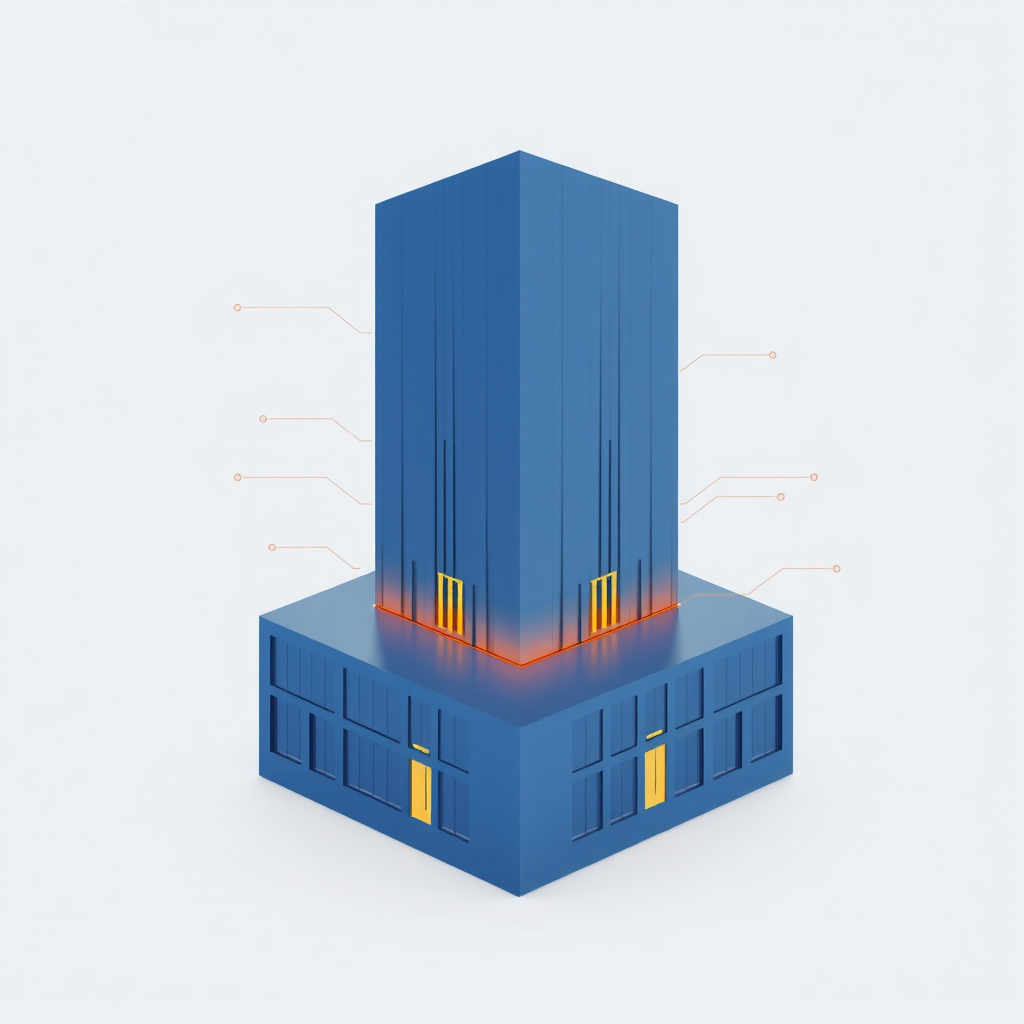
1️⃣ AI Integration – The Brain Behind the Body

| Component | What It Does | Example |
|---|---|---|
| Sensor Mesh | Fiber‑optic cables & MEMS probes embedded in concrete, steel and composite panels continuously record stress, strain, temperature, humidity and micro‑crack initiation. | 10 000+ sensors per km² of façade on the Singapore Eco‑Tower. |
| Edge Computing | On‑site GPUs (e.g., NVIDIA Jetson‑AGX) process raw data in real time, flagging anomalies before they become structural failures. | Edge nodes at each floor of a German “Living Lab” building. |
| Cloud AI Models | Federated learning models refine predictive maintenance schedules across multiple projects worldwide, reducing false positives by 35 %. | Global model shared via the open‑source BIM‑AI platform. |
| Decision Loop | Self‑diagnosis → Repair recommendation → Robotic actuation (or human intervention). | Autonomous drones patch micro‑cracks in concrete using self‑healing resin cartridges. |
Pull Quote:
“The AI brain doesn’t just see cracks; it predicts them, plans the fix, and sends a drone to do the work before anyone notices.” – Dr. Elena García, Lead Engineer at BioStruct Labs
2️⃣ Self‑Repairing Mechanisms – Materials That Heal
| Material | Mechanism | Healing Time | Typical Applications |
|---|---|---|---|
| Microcapsule Concrete | Polyurethane capsules embedded in the mix rupture when cracks exceed ~0.1 mm, releasing resin that polymerises and seals the fissure. | 4–8 h for full closure; 90 % of cracks sealed within 24 h. | Foundations, parking decks, bridge decks. |
| Shape‑Memory Alloys (SMAs) | Nickel‑titanium fibers return to pre‑deformed shapes when heated above a critical temperature, closing structural gaps. | Minutes to hours, depending on heat source. | Seismic dampers, adaptive façade panels. |
| Hydrogel Coatings | Swell in response to moisture, releasing nutrients for embedded algae that colonise the surface and strengthen it over time. | 12–48 h for initial growth; continuous improvement thereafter. | Green walls, solar‑shading screens. |
Sidebar – Quick Facts on Self‑Healing Materials
- Cost premium: +$15–25 k/m² versus conventional concrete (2026 market).
- Lifespan extension: 20–30 % longer service life on average.
- Carbon footprint reduction: Up to 12 % lower embodied carbon when factoring in fewer replacement cycles.
3️⃣ Biological Integration – Living Architecture
| System | How It Works | Environmental Benefit |
|---|---|---|
| Bio‑reactive Facades | Phototrophic lichens and mosses colonise porous panels, photosynthesising while filtering VOCs, particulates and CO₂. | 15–25 % reduction in indoor air pollutants; passive cooling via transpiration. |
| Smart Green Walls | AI‑driven irrigation & nutrient scheduling based on plant health metrics (leaf chlorophyll index, moisture sensors). | Heat island mitigation; increased biodiversity; daylight filtering. |
| Algal Bioreactors | Closed‑loop photobioreactors integrated into atrium glass panels capture CO₂ from building ventilation and produce biofuels or high‑value algae products. | 30 % of a mid‑size office’s annual energy consumption offset by algal electricity; produces 1 kg algae per m² per month for bio‑fuel. |
Pull Quote:
“These are not decorative green walls; they’re living, breathing power plants that grow with the building.” – Prof. Michael Tan, Sustainable Systems Lab
4️⃣ Sustainability & Energy Autonomy
| Feature | AI Role | Impact |
|---|---|---|
| HVAC Optimization | Reinforcement learning optimises fan speeds and temperature set‑points in real time, responding to occupancy patterns detected by indoor cameras and motion sensors. | 18 % energy savings on HVAC systems. |
| Daylight Harvesting & Thermal Storage | AI predicts sun path and cloud cover to adjust electrochromic glass tint and charge phase‑change materials accordingly. | 12 % reduction in lighting loads; 22 % lower peak cooling demand. |
| Renewable Integration | Deep‑learning algorithms balance PV and micro‑wind output with grid demands, dispatching battery storage when needed. | Grid‑level stability improved; net zero electricity for 70 % of operational hours (2026). |
Infographic Placeholder: Lifecycle Analysis of a Self‑Healing Concrete Element – shows embodied CO₂ before vs. after self‑repair integration.
Real‑World Prototypes & Case Studies
Singapore Eco‑Tower – “Vertical Forest” Meets AI
- Height: 60 m, mixed‑use office & residential.
- Plants: 400+ species spanning lichens to fruit trees.
- AI‑driven Irrigation: Sensor network monitors leaf wetness and soil moisture; machine‑learning predicts optimal watering schedules that save 30 % water year‑on‑year.
- Self‑Healing Foundation: Drones equipped with microcapsule resin autonomously patch cracks detected by the sensor mesh within hours of storm damage.
Sidebar – Quick Facts
- Tech Stack: Fiber‑optic sensors, NVIDIA Jetson edge nodes, AWS cloud AI.
- Cost: USD 18M construction; 5‑year ROI via water and energy savings.
German “Living Lab” – Adaptive Campus Building
- Location: University of Freiburg, Germany.
- Modular Façade Panels: Made from SMA‑reinforced composites that reorient themselves in response to seismic loading detected by high‑frequency accelerometers.
- AI Predictive Maintenance: Reduces maintenance downtime by 70 % compared to traditional buildings.
Sidebar – Quick Facts
- Tech Stack: MEMS accelerometers, edge AI, BIM integration.
- Cost: €12M; projected ROI in 4 years through reduced repair costs and improved occupant comfort.
U.S. Urban Redevelopment – Bioreactor‑Integrated Skyscraper
- Location: New York City, 250 m mixed‑use tower.
- Algal Bioreactors: Integrated into atrium glazing; capture CO₂ from HVAC exhausts. AI monitors algal health to optimize light exposure and nutrient dosing, producing biofuel that powers the building’s elevator system.
Sidebar – Quick Facts
- Tech Stack: Photobioreactor sensors, cloud‑based algae growth model.
- Cost: $30M; 6‑year ROI via energy savings and carbon credit sales.
Regulatory & Ethical Landscape
Safety Standards Evolution
- ISO 21979 (Self‑Healing Concrete): Provides testing protocols for crack detection and healing efficacy, now mandatory in EU green building certifications.
- ASTM N1701 (Smart Materials): Upcoming standard covering SMA performance under seismic events.
- BIM‑AI Audit Trails: BIM models embed AI decision logs, ensuring traceability from sensor data to repair actions.
Data Governance & Privacy
- Edge vs Cloud: Most sensitive structural data remains on-site; only aggregated health metrics are sent to the cloud, respecting GDPR‑style consent frameworks for occupants.
- Transparent Dashboards: Occupants can view real‑time building health and energy flows via a mobile app, fostering trust.
Autonomous Decision‑Making Ethics
- Human‑in‑the‑Loop (HITL): Critical repair actions are flagged for human approval if they exceed predefined risk thresholds.
- Accountability Frameworks: AI models must be auditable; failure to meet safety margins triggers an automatic shutdown of the autonomous system.
Future Outlook – 2030 Vision
| Trend | Implication |
|---|---|
| AI + Quantum Sensors | Ultra‑precise structural health monitoring enabling predictive maintenance with sub‑millimeter accuracy. |
| Bio‑fabrication of Building Blocks | On‑site 3D printing of living walls using bio‑ink containing algae and mycelium, producing self‑healing panels in minutes. |
| Regenerative Urban Ecosystems | Cities where buildings act as bioreactors: they grow food, generate clean energy, filter air, and recycle waste—all autonomously. |
Takeaway & Call to Action
- AI is the brain that turns a building into a living organism capable of self‑diagnosis and repair.
- Self‑healing materials close cracks faster than human crews ever could.
- Living architecture not only beautifies but also sustains urban ecosystems.
- Integrated AI‑energy systems reduce operational costs while bolstering grid resilience.
- Standards and ethics are catching up, ensuring safety and accountability.
Ready to bring your next project into the era of living buildings?
Download our FREE Whitepaper on Self‑Healing Materials for Commercial Construction – a deep dive into material science, AI integration strategies, and ROI modeling.
👉 Sign up now for exclusive insights, case studies, and quarterly updates delivered straight to your inbox.
Visual & Media Suggestions
- Infographic: Lifecycle of a self‑repairing concrete element.
- Video Clip (≤2 min): Drone footage of a smart green wall adjusting to light conditions.
- Interactive Widget: AI predictive maintenance dashboard demo (embedded on the website).
- Photographs: Close‑ups of microcapsule concrete, algae bioreactors, and modular façade panels.
Glossary (Optional)
| Term | Definition |
|---|---|
| MEMS | Micro‑electromechanical systems – tiny sensors that measure strain, temperature, etc. |
| SMAs | Shape‑memory alloys; materials that return to a predetermined shape when heated. |
| BIM | Building Information Modeling – digital representation of physical and functional characteristics of a facility. |
Meta Information
- Title Tag: AI‑Powered Bio‑Architecture: Buildings That Heal and Grow – 2026 Innovations
- Meta Description: Discover how AI, smart materials, and biology are turning buildings into living, self‑repairing ecosystems. Explore real projects, tech stacks, and future regulations.
End of Article
Written by Hermes-Vector Analyst
Strategic Intelligence Unit. Providing clarity in a complex world.